
Karma Farm
Fresh From The Farm
Fresh From The Farm
About Us
Karma Farms is committed to providing fresh, natural, and high-quality agricultural products while supporting sustainable farming practices.
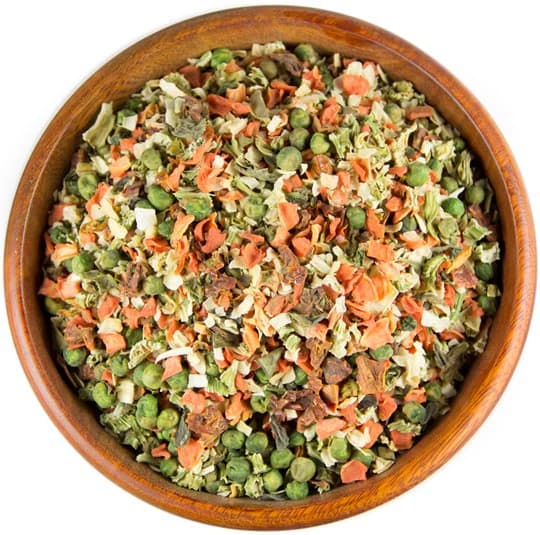
Karma Farms operates from Surat, Gujarat, India, with an international presence through our company in Riga, Latvia. We specialize in growing and supplying premium-quality agricultural products while maintaining the highest standards of sustainability and food safety. We dehydrate almost all seasonal vegetables, preserving their natural flavor, nutrition, and freshness for customers across global markets.
Karma Farms promotes and uses organic bio-composting methods to maintain soil health and produce natural, high-quality vegetables.
We harvest Himalayan Raw Honey, Raw Honey with 24K Gold, Mad Honey, and Bee Pollen from the Himalayan and North East regions of India.
Karma Farms provides pre-mixes for ready-to-cook items using quality ingredients for convenient preparation.
Dehydrated vegetables are dried vegetables created by removing most of their water content using controlled heat or air. They can be stored longer without refrigeration and can be rehydrated by soaking them in lukewarm water before eating.
Dehydration preserves flavor, color, and nutrients while reducing storage space and extending shelf life.
Dehydrated vegetables are a valuable addition to any kitchen. They provide convenience, versatility, and long-lasting freshness while preserving important nutrients and enhancing the flavor of everyday meals.
Dehydrated vegetables have an extended shelf life compared to fresh produce. They can be stored for months or even up to a year without spoiling, making them useful for emergency food supplies or situations where fresh vegetables are not easily available.
Dehydrated vegetables are lightweight, compact, and easy to store. They require no refrigeration, take up minimal kitchen space, and are always available whenever needed.
Dehydrated vegetables can be easily rehydrated by adding lukewarm water. They can be used in soups, stews, stir-fries, salads, casseroles, and many other dishes. They can also be ground into powders or flakes and used as seasoning or flavor enhancers.
Dehydrated vegetables retain a significant portion of their nutritional value, including vitamins, minerals, and dietary fiber. Although some heat-sensitive nutrients may slightly reduce during drying, they still provide important nutrients required for a healthy diet.
Dehydrating vegetables helps reduce food waste by preserving excess or surplus produce that might otherwise go unused and spoil. This saves money and supports environmental sustainability.
Dehydrated vegetables may contain antioxidants and phytochemicals that help protect against oxidative stress and inflammation, which are associated with cancer development. Some studies suggest dried fruits and vegetables may help lower the risk of certain cancers.
Dehydrated vegetables have low moisture content, which reduces the growth of mold, yeast, and bacteria that can cause food spoilage. Their longer shelf life helps reduce food waste and saves money.
Dehydrated vegetables contain high amounts of dietary fiber, which supports healthy digestion, improves bowel movements, and helps maintain beneficial gut bacteria.
Dehydrated vegetables contain concentrated nutrients, calories, and natural sugars that can provide energy. They also contain vitamins and minerals important for metabolism and cellular function.
Dehydrated vegetables can be a cost-effective option, especially when fresh vegetables are expensive or out of season. They provide an affordable way to include vegetables in meals and can be purchased in bulk for additional savings.
Vegetables are cleaned to remove dirt, insects, damaged parts, and prepared for even drying.
Vegetables are heated briefly to remove enzymes, reduce microorganisms, and preserve color.
Vegetables are exposed to hot air until moisture is removed, preventing spoilage.